
Mastering the Art of Strategic Storytelling: How Keynote Speakers Captivate and Inspire
In a world overflowing with content, the speakers who rise above the noise are those who know how to tell a truly strategic story. Storytelling isn’t just entertainment—it’s a powerful communication tool that transforms information into something meaningful, memorable, and actionable. At Kirkpatrick Agency, we see firsthand how great storytellers turn moments on stage into lasting impact.
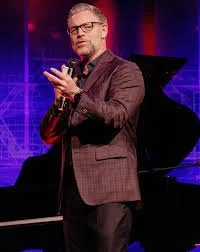
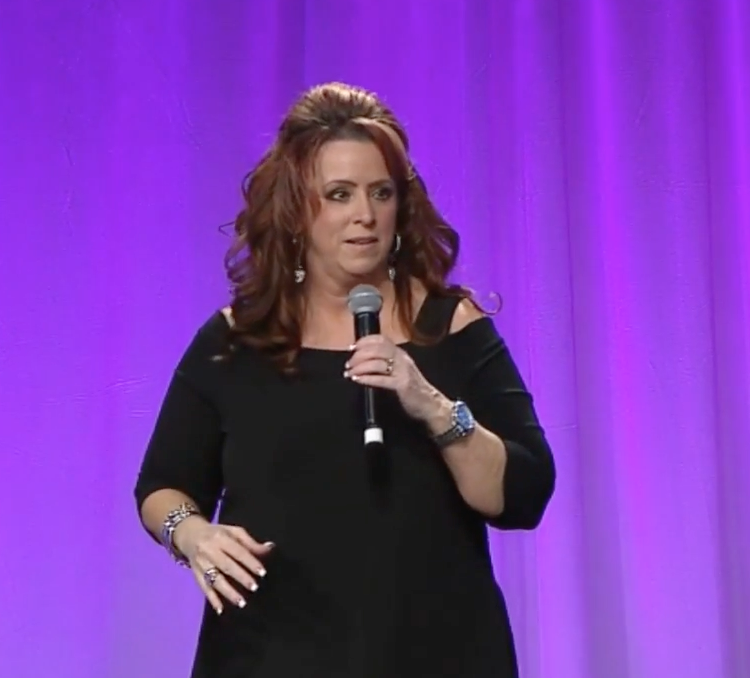
Two of the best examples in our speaker family are Kelly Swanson, an award-winning storyteller and humorist, and Jason Hewlett, a Hall of Fame keynote speaker known for weaving inspiration, leadership insights, and unforgettable performance into every narrative. Their ability to blend message with emotion, humor, and purpose is what makes them stand out—and what defines a true strategic storyteller.
Whether you’re planning your next conference or looking to strengthen your own communication skills, understanding how master storytellers captivate an audience can elevate your message from “interesting” to “unforgettable.”

Why Strategic Storytelling Matters
Great storytelling is more than sharing an anecdote—it’s shaping a narrative that connects with people on an emotional level. Strategic storytelling is intentional: every detail, every pause, every shift in tone supports a clear message.
In corporate settings, this is especially valuable. A keynote speaker with strong storytelling skills can:
Clarify complex ideas
Hold audience attention in a distraction-heavy world
Spark behavioral and cultural change
Make data and strategy feel relevant and personal
Build trust, alignment, and emotional connection
When a story is crafted well, it doesn’t just inform—it inspires.
What Makes a Story Memorable?
1. A Clear, Engaging Structure
Strong storytellers build narratives with purpose. They set the stage, introduce tension, and guide the audience toward a meaningful resolution. This familiar arc helps audiences follow along and stay invested.
Jason Hewlett does this masterfully. His stories often begin with lighthearted humor or a personal moment before building toward a powerful leadership lesson or call to action. It’s structure—with soul.
2. Characters People Connect With
People don’t remember facts—they remember people.
Kelly Swanson’s storytelling shines here. She creates characters so vivid and relatable that audiences sometimes forget they’re hearing a keynote rather than reading a novel. Through these characters, she brings humor, empathy, and shared humanity to the stage.
3. Vivid Detail and Emotional Truth
Emotion drives memory. Strategic storytellers use humor, vulnerability, surprise, and even silence to deepen impact. They share authentic moments—not perfect ones—to build trust and relatability.
4. Tailoring the Story to the Audience
The best keynotes feel designed for that room. Great storytellers take the time to understand audience challenges, industry dynamics, and cultural context. The result is a narrative that feels relevant, respectful, and perfectly timed.
Delivery: Where Strategy Meets Stage Presence
Even the strongest narrative needs intentional delivery.
Strategic storytellers use:
Vocal variety to emphasize key ideas
Body language to add energy and emotional depth
Purposeful pauses to let meaning land
Humor to disarm, connect, or shift the room
Props or visuals that support (not distract from) the message
Jason Hewlett’s stagecraft is a masterclass in this balance. He blends power, comedy, and music to create moments that stick. Kelly Swanson, on the other hand, uses humor and character-driven storytelling to bring an entire world to life on stage.
Both remind us that delivery isn’t decoration—it’s part of the story.
The Role of Emotion in Strategic Storytelling
Emotion is what moves people from understanding to believing.
Whether it's laughter, empathy, surprise, or inspiration, emotional resonance is what makes a message memorable. As seen in the original material, emotion turns a simple narrative into something “sticky”—something people recall long after the event ends.
A strategic storyteller doesn’t force emotion; they reveal it. Authenticity builds trust, and trust makes the message matter.
Enhancing Stories With Visuals and Technology
When used correctly, visuals can deepen a message. When used poorly, they distract from it.
Strategic storytellers know that visuals should:
Reinforce the key message
Provide clarity
Add energy or emotional lift
Never compete with the speaker
Props, video, and interactive technology can be powerful—so long as they support the story rather than steal the spotlight.
Learning From Great Storytellers
Organizations don’t need to look far for master storytellers—Kirkpatrick Agency represents speakers who pair world-class stagecraft with strategic storytelling that inspires action.
Kelly Swanson brings humor and heart together to show organizations how to create cultures of connection.
Jason Hewlett blends performance and leadership insights to remind audiences of the power of remembering your “signature moves.”
They don’t just speak—they transform rooms.
Avoiding Common Storytelling Mistakes
Even great content can fall flat without intentionality. Watch out for:
Too many details → audiences lose the thread
No emotional arc → stories become forgettable
Not understanding the audience → the message feels misaligned
Lack of structure → the story seems scattered
Overproduction → visuals overshadow the narrative
Strategic storytelling is about clarity, connection, and purpose—not clutter.
In Closing: Storytelling That Drives Action
Mastering strategic storytelling takes practice, but its impact is undeniable. The right story builds trust, elevates your message, and inspires people to act.
Whether you’re taking the stage yourself or planning your next event, choosing keynote speakers who know how to tell purposeful, emotional, and memorable stories makes all the difference.
At Kirkpatrick Agency, we’re honored to represent speakers like Kelly Swanson and Jason Hewlett—true strategic storytellers who understand how to turn a keynote into an experience your audience will talk about long after the event ends.
If you’d like help selecting the right storyteller for your next event, we’re here to guide you.